Rural Village Pub vs. City Centre Pub: A Local's Comparison for Visitors
A village pub and a city centre pub can pour the same beer from the same brewery and still feel like two different countries. The difference isn't quality. It's rhythm. One runs on passing trade and volume; the other runs on habit, names, and the fact that the person pulling your pint has known your neighbour for twenty years. Knowing which one you're walking into saves an awkward hour.
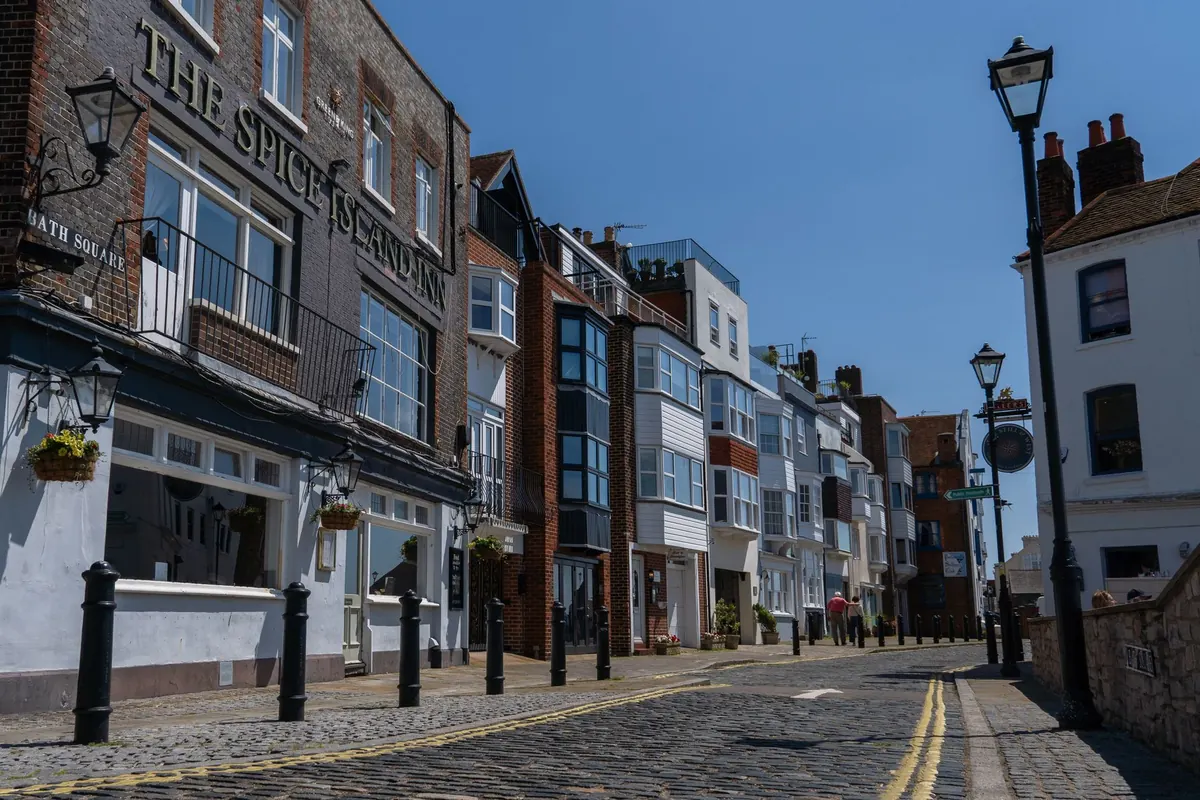
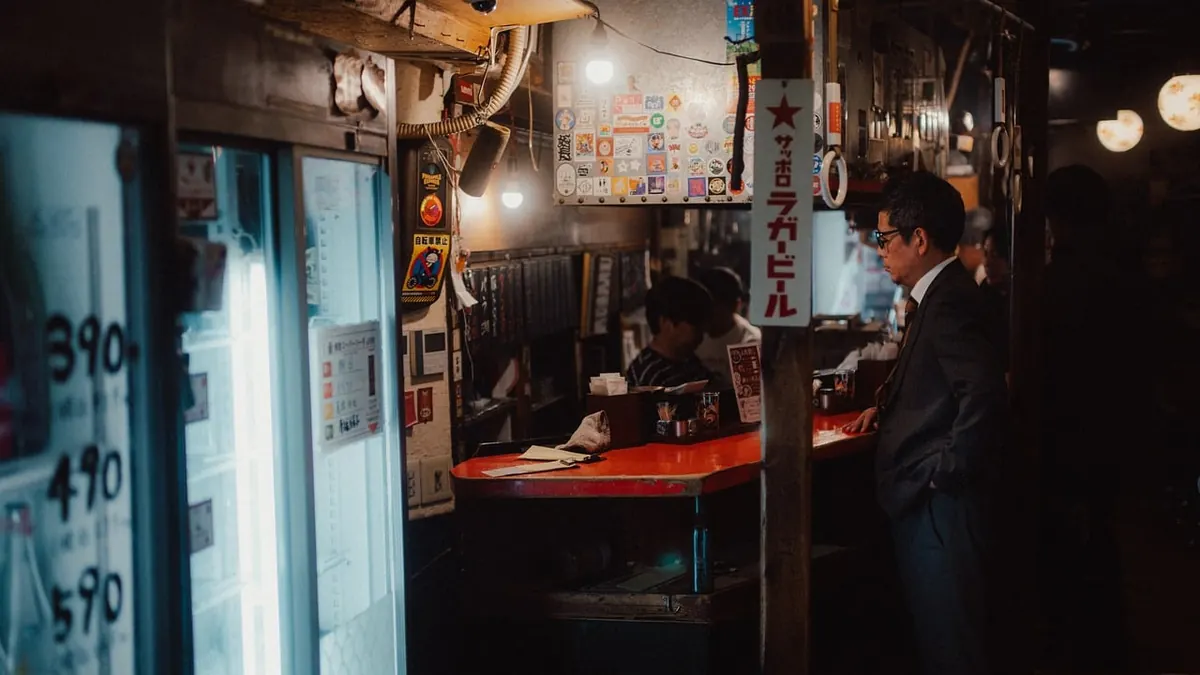
City centre pubs are built for turnover. High ceilings, standing room, four deep at the bar on a Friday, screens in the corner, music just loud enough to make you lean in. Conversation stays inside your own group. Nobody notices you, which is both the freedom and the limitation of the place.
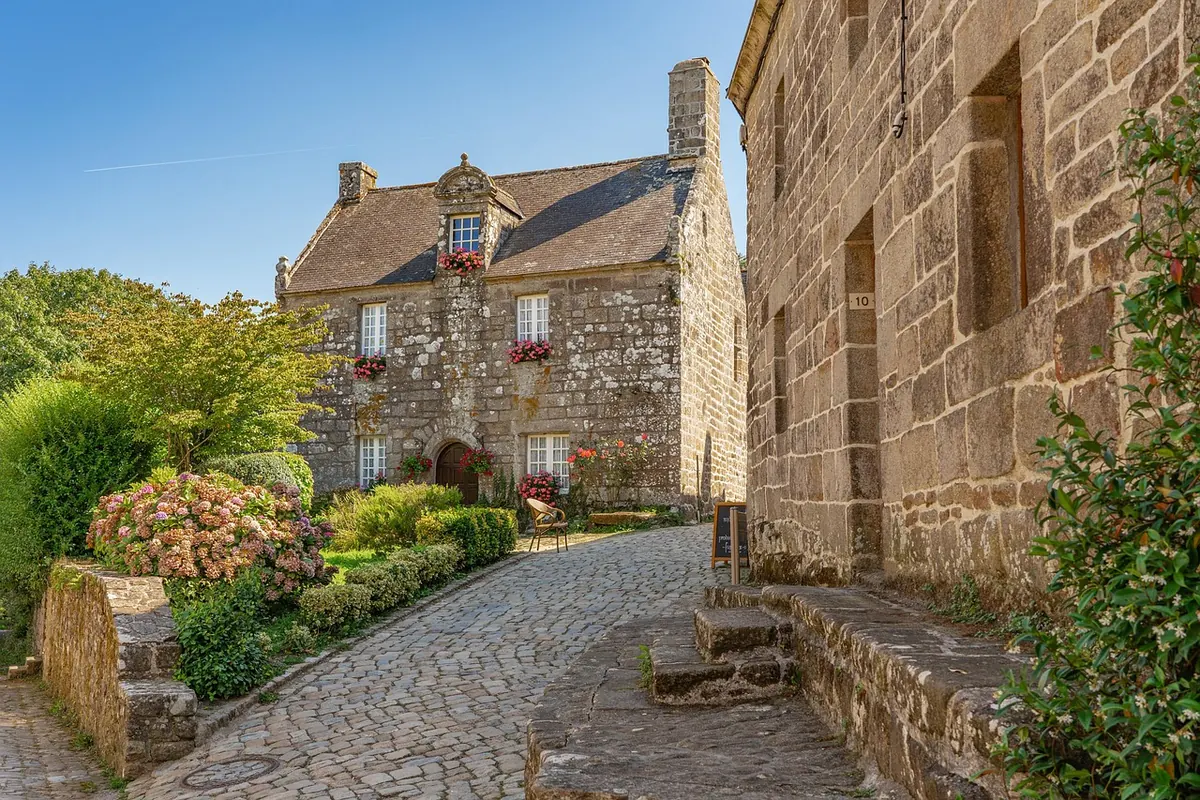
A village pub is usually one room, maybe two. Low beams, a fire in winter, a handful of tables, a dartboard, a stack of newspapers on a window ledge. The regulars have their spots, literally and socially. You will be noticed, and often greeted. That's either the best part of your evening or the most uncomfortable thirty seconds of it, depending on how you handle it.
Here's the practical version: walk in, offer a general "good evening" to the room rather than to any one person, and head for the bar. If you want conversation, sit at or near the bar. If you want to be left alone, take a table away from it. That reads clearly in a village pub in a way it simply doesn't in a city one.
This is what catches visitors out most often. City pubs are predictable and long. Open seven days, usually from late morning until late, food served across most of the day, later licences at weekends. If a city pub is shut, something has gone wrong.
Village pubs are shorter and more human. Many close in the afternoon, take a quiet Monday or Tuesday, shut the kitchen well before the bar, and finish when the last regular leaves rather than at a posted time. The same pub that's heaving on a sunny Saturday might open at six on a wet Tuesday in February and be empty by nine.
Check the pub's own page or phone them. Third-party listings go stale, and a pub that changed hands last year may keep completely different hours from what's still published online. Have a second option in mind before you drive twenty minutes down a lane.
City pubs offer breadth. Longer menus, more vegetarian and vegan choices, allergen information to hand, table service or an ordering app, bookings routine. Consistency is the strength: the same dish tastes the same in three cities.
Village pubs offer depth, sometimes. One cook, occasionally the landlord, a menu that shortens when the kitchen is quiet. You might find a proper pie, a Sunday roast and a cheese board, and not much else. Specials depend on what came in that week. Some of the best meals of a trip happen in rooms like this, but the risk is higher too: the kitchen may stop at eight, or not open on a Monday at all.
If you have an allergy or a strict diet, phone ahead when you can and say so clearly at the table. Small kitchens have less space to separate ingredients, so ask what they can realistically do rather than assuming. For anything medical, take advice from a qualified professional rather than a barman. And book ahead for Sunday lunch in a good village pub, often weeks in advance.
At the bar there's rarely a formal queue in British and Irish pubs. Staff keep track of who's next, and you should too. Catching the eye and waiting is fine. Ordering over the top of someone who was there first is not.
City pub etiquette is minimal: find a table, order, keep your voice at a level that doesn't flatten the table beside you, return your glasses if there's a collection point.
Village pub etiquette is a little more social. Greet on entry. Don't claim a table that's plainly someone's regular spot when there are alternatives. Ask before joining a table in a packed room. Take phone calls outside. Dogs and children are usually welcome, but check first, since some pubs restrict children after a certain hour and that varies by pub and by local licensing rules.
If you're unsure, watch the room for a minute. Who's serving, where people order, whether food comes to the table or from the bar. Copying the room is nearly always the right call.
Card payment is normal in most pubs now, in cities and villages alike. Three things still catch people out.
Tabs are easier in a quiet village pub, particularly if you're eating, and rarer in a packed city bar where you pay as you go. Don't assume village prices are lower, either. Low volume and short hours mean some rural pubs charge the same as city ones, occasionally more. Read the board before you commit to a round for eight.
Pick a city centre pub when you want choice, late hours, food at nine o'clock and the freedom to be anonymous. Pick a village pub when you want a slower evening, a conversation you didn't plan, and cooking done by the person who owns the place.
If you only have time for one and you're touring an area rather than a city, the village pub is usually the better story. Do three things first: phone ahead, carry some cash, and say hello when you walk in.
Photo: ChiemSeherin / Pixabay
Previous Post
How to Find a Good Pub in an Unfamiliar Town: A 20-Minute Checklist
Next Post
A Rainy Day Pub Checklist: How to Choose a Cosy Spot Near You