How to Find a Good Pub in an Unfamiliar Town: A 20-Minute Checklist
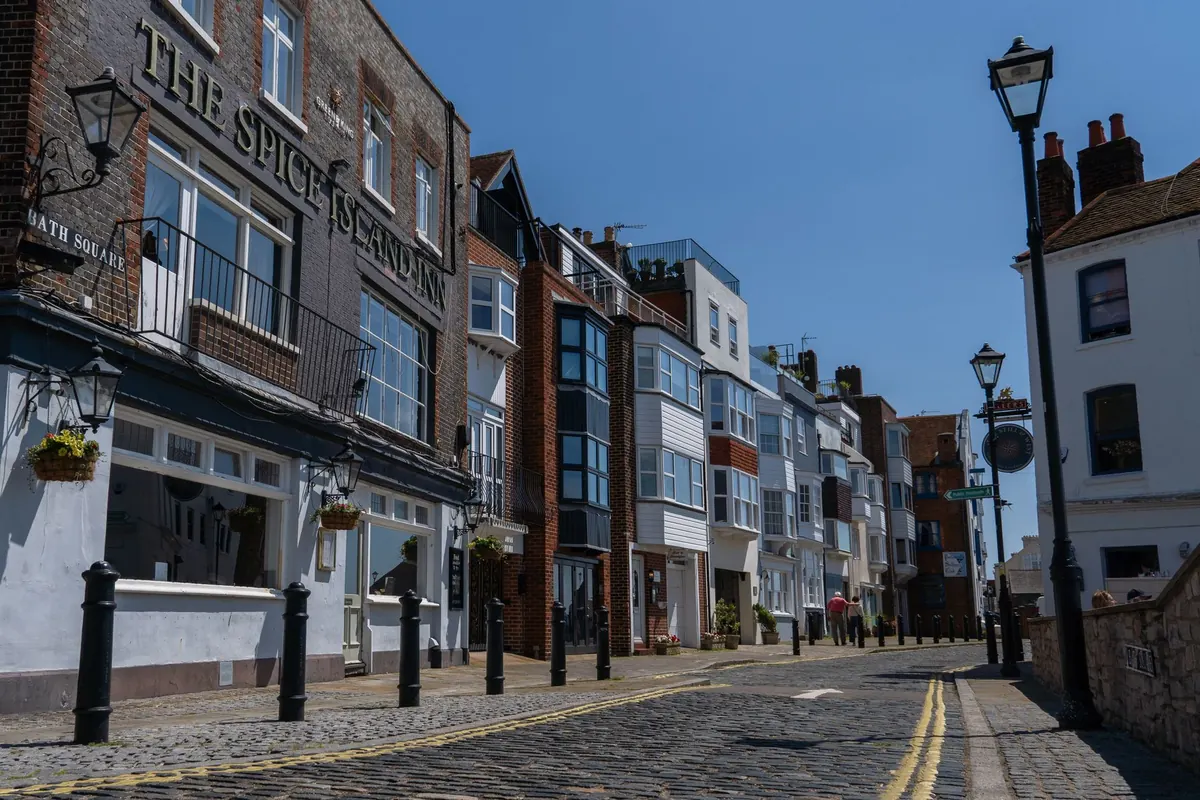
The train arrives at half four. Your meeting is at six. You have ninety minutes, a bag, and one decision to make before the good pub shuts its kitchen or the bad one wins by default. Choosing badly costs you an hour and a round you didn't want. Choosing well turns a dead afternoon into the part of the trip you talk about afterwards. You don't need local knowledge for this. You need twenty minutes and a sequence.
Here it is, in the order you should use it.
Before you walk anywhere, look at where you are. Pubs in most towns fall into recognisable positions, and the position tells you a lot about what's coming.
Walking five minutes away from the main drag is usually the single highest-value move available. Not always — some towns keep their best pub on the high street and nothing behind it — but the odds shift in your favour.
Stand outside. Don't go in yet. A pub tells you plenty before you touch the door.
None of these is decisive alone. Together they usually sort two candidates into one.
Reviews are useful if you read them like an editor rather than a customer. Sort by most recent, not by relevance, and read the last three months. A pub can change hands in a fortnight.
Then look for repeated phrases. One person complaining about slow service is noise. Four people over six weeks saying the beer tastes tired is a pattern. Skip the one-star reviews that are really about a single staff member, and skip the five-star ones that read like advertising copy.
Photos are more honest than prose. Look at pictures taken by customers rather than the pub: the bar top, the room, the outside on a wet Tuesday. If you're in a town that takes its beer seriously, check whether the place appears in CAMRA's Good Beer Guide or its WhatPub database. Those listings aren't gospel, but they filter well for cask ale.
Now go in, but don't commit. Order something small — a half, a coffee, a soft drink — and stay standing if there's room. The point isn't thrift. It's keeping your options open while you gather information.
While you wait at the bar, notice who is in and what they're doing. A mix of ages is healthy. Three separate groups talking across tables beats a room staring at a screen. Then check the small things: are the tables wiped, is the floor sticky, is there a dog bowl by the door, does the person serving look pleased to see you?
One bad signal is bad luck. Two or three together and you can leave without guilt. You drank your half; you owe nobody a second round.
The best pub in town can be dreary at three o'clock on a Monday, and a mediocre one can be a joy at six on a Friday. Judge the room you're in, at the hour you're in it, before you judge the pub.
Ask what the place is for right now. A food pub at one o'clock should be busy with plates. A locals' pub at six should have a handful of people at the bar. A late-night spot shouldn't be echoing at half nine. If the offer doesn't match the hour, that isn't necessarily a bad pub — it's a bad match, and you can return another time.
If you have the minutes to spare, walk to the second option and look through the window before ordering a full pint. You don't have to go in. Seeing the room is often enough.
And if you're driving, on medication, or simply not drinking, the small order still works. Nobody in a decent pub cares what's in your glass.
If you read nothing else, read this. Allow about twenty minutes from arrival to decision.
Two final things. First, the second visit is where the pleasure is. The first is reconnaissance; the second is the one where someone remembers your order. Second, if you plan to eat, ask about the kitchen's last orders before you settle at a table — pubs that serve food all day are rarer than the internet suggests.
Write the name down. You'll be back in this town, and a pub you found in twenty minutes beats a pub you spent an hour arguing about.
Photo: Róbert Kocsis / Pexels
Previous Post
Why Old Pubs Have Two Bars: A History of Public and Lounge Bars
Next Post
Rural Village Pub vs. City Centre Pub: A Local's Comparison for Visitors