Common Mistakes to Avoid When Trying Sour Beer for the First Time
The first sour beer most people try is served wrong. It comes out of a fridge at near-freezing, gets poured into a straight-sided pint glass, and is drunk in three quick gulps next to a plate of something sweet. Then the drinker decides sours are not for them. That verdict is usually unfair. Sour beer covers an enormous range, from a light Berliner Weisse that tastes like lemonade to a Flanders red that drinks like balsamic vinegar and dried cherries. Treating all of it the same way is the fastest route to a bad first impression.
None of these mistakes are hard to fix. They mostly come down to a little patience and a willingness to treat the beer less like a cold lager and more like something worth paying attention to.
Cold does two things to a sour: it mutes the aroma and sharpens the acidity into a single jagged point. Straight from a 38°F fridge, a raspberry sour tastes like sour raspberry candy with no fruit behind it. Give it ten or fifteen minutes on the counter and the whole picture changes. The fruit comes forward, the funk softens, and the tartness reads round instead of aggressive.
Rough targets: light sours like gose, Berliner Weisse and fruited kettle sours are good around 45–50°F. Heavier, maltier styles such as Flanders red, oud bruin and gueuze benefit from 50–55°F. If you don't own a thermometer, don't worry. Pour the beer, then do something else for a few minutes. If the glass feels cold against your palm, it's still too cold.
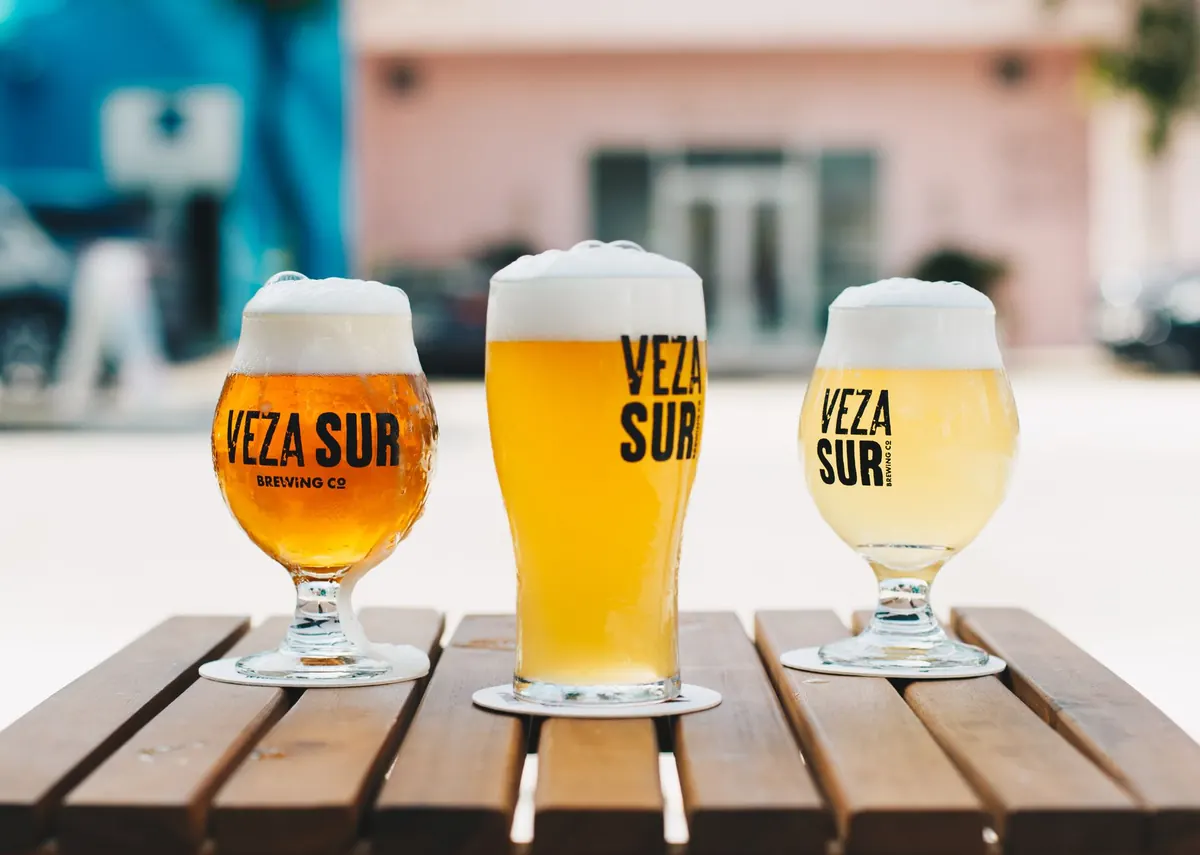
A shaker pint works for plenty of beer. For sour beer it is close to the worst option available. The wide mouth lets aromatics escape immediately, and the straight walls give those aromatics nowhere to collect. Since so much of a sour's appeal is in the nose, you're throwing away half the experience before the first sip.
Reach for something with a bowl and a narrowing rim. A tulip, a snifter, a goblet or a teku all do the job. For gueuze and lambic, a narrow flute helps focus the carbonation and the barnyard notes rather than letting them spread out.
Four to six ounces is a real serving of sour beer, not a stingy one. Sour beers are intense and often higher in alcohol than they taste, especially the dark Belgian styles. A small pour lets you swirl the glass, smell it properly and finish before it goes flat and warm.
"Sour" is a family, not a flavor. Walking into a bar, ordering the first sour on the menu and deciding you hate the category is like eating one oyster and writing off seafood. Match the style to something you already enjoy.
If you drink dry cider or enjoy a sharp vinaigrette, skip the fruited stuff and go straight to gueuze. If your default drink is a hard seltzer, a fruited kettle sour will feel familiar.
Acid cuts fat, and sour beer does this better than almost anything else on a beer list. The mistake is pairing it with something very sweet. Sugar makes the beer taste thin and punishingly sour, and the beer makes the food taste cloying. Save the chocolate cake for later.
Reliable pairings include goat cheese, oysters, fried chicken, fish tacos with plenty of lime, fatty pork, sharp cheddar, and salty snacks like cured meat or good olives. Vinegar-forward sours actually work with vinaigrette-dressed salads and pickled vegetables, because the acidity matches rather than fights. With a Flanders red, try a small piece of dark chocolate or a slice of dried fig.
Whatever you choose, alternate. Sip, take a bite, sip again. The second sip after food tells you more about the beer than the first one ever will.
Sour beers build on you. The first few sips are bright; by the end of a pint, your palate is worn down and everything tastes like acid. Order a four-ounce pour or split a bottle between two people. If you're tasting several, keep the pours small and take notes as you go.
Avoid chasing a sour with a big bitter IPA. Hop bitterness plus lactic acidity reads harsh and muddy. Plain water, a piece of bread or a light lager will reset you far more effectively. And eat something before you start. If you're prone to heartburn or reflux, have a word with your doctor before making acidic beer a regular habit.
The first sip of a sour is a shock. The third is usually where the beer starts making sense, because your palate adjusts within seconds. Ask anyone who has watched a friend come around to lambic; the turnaround almost always happens mid-glass, not on the first taste.
Bottle variation matters too. Sours are fermented with wild yeast and bacteria, so batches differ, and a bottle that sat in a hot car will taste flat, metallic or harsh. If a sour smells like nail polish remover or permanent marker, that's a fault rather than the style. Dump it and try a different brand, not a different category.
Sour beer rewards curiosity more than it rewards bravery. You don't have to like every one you try, and you probably won't. The goal is simply to give the good ones a fair shot — properly chilled, properly poured, and drunk slowly enough to notice what's actually in the glass.
Photo: ELEVATE / Pexels
Previous Post
How to Order a Beer in a British Pub: A First-Timer's Step-by-Step Guide
Next Post
How to Plan a Pub Crawl for a Birthday: Route, Timing, and Safety Checklist